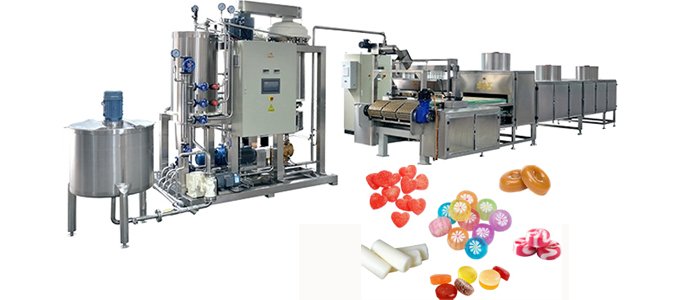


Large-scale chocolate producers eventually hit the same wall: their existing refining line can’t keep pace with order volume. Two machines usually enter the conversation at this stage — the chocolate ball mill and the traditional conche. Both smooth out cocoa particles and build flavor, but they get there through very different mechanics, timeframes, and floor-space demands. For a factory running multiple shifts, that difference translates directly into throughput, energy bills, and labor costs. This guide compares both technologies on efficiency and output, so procurement teams can match the right refining equipment to their production targets, whether that means a compact chocolate ball mill machine or a full chocolate conching machine setup from a supplier such as Melechine.
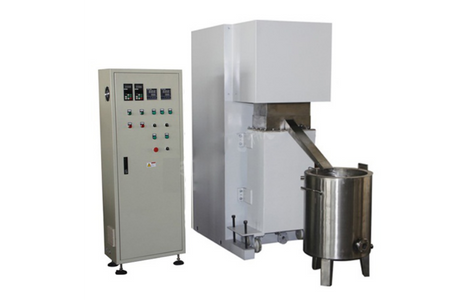
How a Chocolate Ball Mill Increases Grinding Speed
A chocolate ball mill is designed to fine grind cocoa mass in a jacketed cylinder by circulating it together with hardened steel balls. At the turning of the shaft the balls not only rub against chocolate liquor but also hit and thus crush the sugar and cocoa particle sizes reducing them to approximately 18-25 microns during a single processing step. Because the grinding action relies on mechanical impact rather than pure friction, a chocolate ball mill machine typically reaches target fineness in 45 minutes to two hours, compared with several hours in a conche. For factories running continuous shifts, that speed advantage compounds fast: more batches per day, less idle equipment, and a smaller footprint per ton of output. A magnetic filter separates the steel media from the finished paste before it moves to storage or tempering, so contamination risk stays low even at high cycle counts.
Where a Chocolate Conching Machine Still Wins
Conching hasn’t disappeared from large factories, and for good reason. A chocolate conching machine works the paste for hours, sometimes over a full day, using rollers and paddles that fold air through the mixture. That extended agitation drives off unwanted acidity and moisture, rounding out flavor in a way that pure grinding cannot fully replicate. Premium and single-origin chocolate lines often keep this stage in the process specifically for flavor development, even after installing ball mills for particle reduction. The trade-off is time and energy: a conche ties up floor space and power far longer per batch than a ball mill does. Many large-scale operations now treat the two machines as complementary rather than competing — grinding first, then conching briefly for aroma and mouthfeel, which shortens the overall conche cycle considerably.
Throughput and Efficiency Compared
When comparing raw numbers, a chocolate ball mill typically processes 500 kg to 1,000 kg per hour in industrial models, running continuously with minimal supervision once loaded. A conche, by contrast, gets sized and scheduled per batch, with cycle times stretching from six to twenty-four hours depending on the desired flavor profile. For a factory shipping tons of couverture weekly, this gap matters: three or four ball mills can match the output of a much larger conching line while occupying a fraction of the floor space. Energy consumption follows a similar pattern — shorter cycles mean lower kilowatt-hours per kilogram of finished chocolate. That said, throughput numbers alone don’t tell the whole story; product quality standards, recipe fat content, and desired flavor complexity all influence which machine, or combination of machines, delivers the best return on investment.
Choosing the Right Equipment for Your Factory
Scaling up refining capacity is rarely an all-or-nothing decision. Many manufacturers add a chocolate ball mill machine alongside their existing conche to handle volume spikes without a full line rebuild. Melechine designs both chocolate ball mill and chocolate conching machine units for continuous industrial use, with capacities built around 300 kg to 1,000 kg batches and options for automated temperature and cycle control. Choosing between them, or combining both, comes down to production volume, product type, and how much flavor development the recipe actually needs. Factories that already run a conche can usually bolt on a ball mill as a pre-grinding stage, cutting total conching time while keeping the flavor profile customers expect. The engineering team behind the equipment helps size it against real throughput targets rather than generic capacity charts.
Conclusion
For large factories, the decision isn’t simply chocolate ball mill versus conche — it’s about matching cycle time, throughput, and flavor goals to the right combination of equipment. A ball mill is great for fast and very consistent particle size over large quantities, whereas conching is still the go-to method for bringing out very deep flavor in high-end lines. Most high-volume producers land somewhere in between, using both machines to balance output with taste. Getting that balance right starts with equipment sized correctly for actual production numbers rather than a one-size-fits-all line.
Ready to scale your chocolate refining line? Explore ball mill and conching equipment options and request a capacity-matched quote today.
FAQ’s
- What is the main difference between a ball mill and a conching machine?
The process of final size reduction via grinding is rapid using small grinding media in a ballmill, while conching is a slow process of continuous stirring of a semi-solid mass at high temperature and with an intense evaporation of water vapor and flavor compounds.
- Can a chocolate ball mill machine replace conching entirely?
Not usually for premium chocolate. It handles particle reduction efficiently, but most factories still run a short conching stage afterward for flavor development.
- How much floor space does a ball mill need compared to a conche?
A ball mill would require less floor space as compared to a conche, since the shorter cycle time of the ball mill increases the throughput, thus not requiring as much space on the production floor as for a similar conching line.
- Are ball mills suitable for large-scale chocolate factories?
Ball mills are indeed used for very large-scale chocolate factories as such a machine can handle and process a huge amount per hour on a continuous basis and therefore the ball mill is definitely a good choice for the high volume production lines.
- Does Melechine offer both types of refining equipment?
Yes, Melechine supplies grinding and conching equipment sized for industrial capacity, along with guidance on choosing the right configuration.