


If you run a chocolate production line, the mould you choose decides how consistent, fast, and profitable your output becomes. A polycarbonate chocolate mould brings the clarity, heat resistance, and release quality that automated equipment demands, and it remains the top pick for manufacturers who need thousands of identical pieces every shift. Matching your mould material to your machine configuration prevents downtime and waste. This guide compares mould materials, reviews configuration options, and shows how Melesun helps producers select the right setup for scale, speed, and quality.
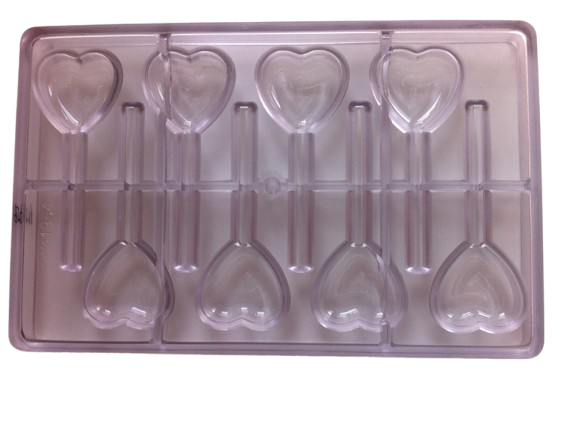
Why a Polycarbonate Chocolate Mould Outperforms Other Options
Commercial buyers keep returning to polycarbonate for one simple reason: it holds up under repeated thermal cycling. Automated lines run trays through tempering, cooling tunnels, and demoulding stations dozens of times per hour, and cheaper plastics warp, scratch, or cloud after a few weeks of that treatment. A polycarbonate chocolate mould keeps its optical clarity for years, which matters because a glossy, well-released chocolate shell is often the first thing a buyer notices on the shelf. The rigidity of polycarbonate also means trays sit flat on conveyors and vibration tables, so fill lines stay level and demoulding stays clean across every cavity.
Comparing Mould Materials for High-Volume Production
Silicone moulds flex easily and suit small-batch work, but that flexibility makes them a poor match for high-speed conveyors, since trays can shift under weight. PVC trays are much cheaper initially but under the heat the material starts to disintegrate and one season of heavy usage is all that it needs to take away their glossy surfaces. Metal moulds handle heat well but add weight to automated lines and raise energy demands during cooling. Against these alternatives, a chocolate mould manufacturer working with food-grade polycarbonate delivers the best balance of durability, weight, and finish for continuous production, which is why most mid-size and large confectionery plants standardize on it.
Matching Mould Configurations to Your Chocolate Moulding Machine
Material choice only solves half the equation; cavity layout and tray dimensions must also match your equipment. A tray built for a one-shot depositor needs different cavity spacing than one built for a cold-press shell line, and mismatched dimensions cause spillage or jammed conveyors. Producers running an automated depositor line with magnetic core inserts need trays with embedded steel plates so centering stays accurate at speed. Cavity count also affects throughput, since a tray with more uniform cavities per pass reduces the cycles needed to hit daily volume targets, which lowers per-unit cost over time.
Beyond spacing, wall thickness and cavity depth affect release rates and cooling time. Cavity walls of lesser thickness allow faster transfer of heat, so the time needed for the cold air to do its job is lessened, the production capacity of the machine is higher, but the thickness can’t be too little to allow flexing during the process of vibration and de-moulding. A second use of a polycarbonate chocolate mould configuration comes into play here: the material’s rigidity allows thinner wall design without sacrificing structural integrity, something PVC and softer plastics cannot match at the same gauge.
Selecting a Dependable Chocolate Mould Manufacturer
Not every supplier machines cavities to the same tolerance, and small variances add up across a tray with dozens of identical shapes. A trustworthy supplier publishes material certifications, controls cavity tolerance to fractions of a millimeter, and offers consistent lead times for repeat orders, since production planning depends on predictable restocking. Ask any prospective supplier about food-safety compliance, UV resistance, and whether trays are compatible with your existing Chocolate Mould inventory before switching vendors, because compatibility issues at this stage can stall an entire shift.
Melesun works directly with confectionery producers to specify polycarbonate tooling built around existing line speeds and cavity requirements, rather than offering only stock catalog sizes. That approach reduces the trial-and-error typically involved in matching new trays to established depositors, tempering units, and cooling tunnels.
Custom Chocolate Molds for Product Differentiation
Standard bar and button shapes cover everyday volume, but branded shapes, seasonal designs, and private-label packaging increasingly drive shelf performance. Custom chocolate molds let producers register a distinct silhouette, add embossed logos, or introduce limited seasonal releases without retooling an entire line. Because a polycarbonate chocolate mould can be CNC-machined to fine detail and still survive daily automated cycles, brand-specific tooling doesn’t force a trade-off between design complexity and production durability.
Melesun designs these tailored shapes around client artwork and existing tray dimensions, so new tooling drops into current automated setups instead of requiring separate handling.
Conclusion
Selecting the right mould material and configuration directly affects yield, downtime, and product consistency on any automated chocolate line. A polycarbonate chocolate mould gives commercial producers the durability, clarity, and thermal stability that softer materials can’t sustain at scale, while the right cavity layout keeps output matched to your equipment’s real capacity. Partnering with a supplier that also builds custom chocolate molds means fewer compatibility surprises and faster time to full production. If you’re ready to specify tooling that fits your line exactly, reach out to Melesun at melechine.com and get a mould configuration built around your actual production targets.
FAQs
- What makes polycarbonate better than silicone for commercial chocolate production?
Polycarbonate maintains a stable shape and remains transparent even after going through repetitive high and low temperatures which usually destroy the properties of materials. On the other hand, silicone is relatively more flexible and might move on the fast conveyor belts.
- How do I know which tray configuration fits my equipment?
Before you order new tooling, compare cavity spacing, tray sizes and side walls thicknesses to your depositor and cooling tunnel specifications.
- Can custom mould shapes work with an existing automated line?
Certainly, provided the new tray maintains the existing footprint and cavity depth range, the new custom shapes do not require you to change tools for the whole line.
- How long does a polycarbonate mould typically last in daily use?
In fact, the polycarbonate material, when kept in a good condition by cleaning regularly and stored properly, will be able to be used daily in commercial operations without breakage and still maintain their quality for quite a few years.
- What should I ask a chocolate mould manufacturer before ordering?
Inquire about material standards, cavity size accuracy, time of delivery of the order and machine configuration of the existing system that is compatible with the new one.