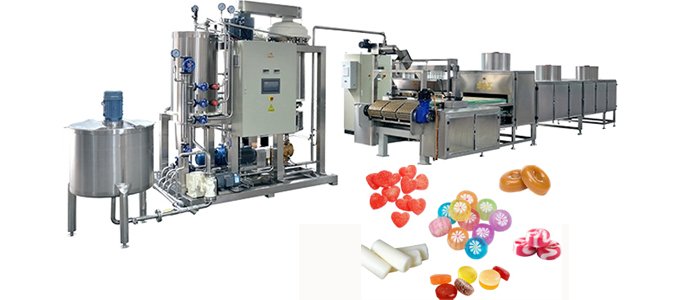


If your production line is still using manual or small batch tempering, then you already understand its main limitations: inconsistent gloss, uneven color strokes, and chocolates which never get the snap right that the customers expect from them. A chocolate tempering machine solves this by controlling the crystallization process with precision manual methods can’t match. For manufacturers scaling beyond small-batch output, this shift is the difference between predictable quality and constant rework. Below, we break down how continuous systems maintain quality control at scale and why brands such as Melechine build machines factories trust for daily production.
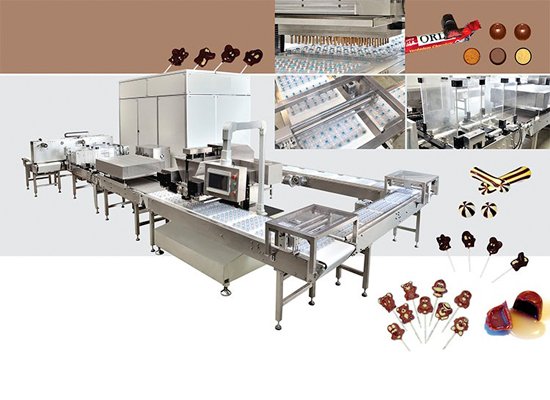
Why Every Growing Factory Needs a Chocolate Tempering Machine
Tempering is the process of heating, cooling, and reheating chocolate to specific temperature bands so cocoa butter crystallizes in a stable form. Get it wrong, and you end up with bloom, soft texture, or chocolate that won’t release cleanly from molds. Get it right consistently, and every bar leaves the line with the same snap and shine.
Manual tempering works fine for artisan batches, but it doesn’t scale. Temperature drifts, operator fatigue, and batch-to-batch variation creep in the moment volume increases. Manufacturers running multiple shifts need equipment that holds tight tolerances hour after hour without a technician babysitting every kettle.
How Continuous Systems Keep Output Consistent
A continuous chocolate tempering machine allows a non-stop chocolate process rather than processing a single batch each time. Melted chocolate is continuously pulled through multiple temperature zones so that output is never stalled between cycles.
This design matters for three reasons:
Steady thermal control: Continuity in a chocolate tempest is enabled by an assembly of heating and cooling stations which are staged in a line. The temperature sensors, located at each of these steps, are responsible for real-time correction, keeping the crystal shape of the chocolates in the desired narrow temperature range.
Reduced human error: Because the process runs on programmed logic instead of manual timing, operators don’t need to guess when chocolate has hit the right stage, cutting variability that typically comes from shift changes.
Higher throughput without quality loss: Factories running an automatic chocolate tempering machine can maintain output volumes that manual tempering can’t touch, while the finished product still shows the same gloss and snap batch after batch.
The Core Components Behind Reliable Tempering
Every well-built chocolate tempering machine relies on a handful of components working together:
Precision temperature sensors spread everywhere at the cooling and heating areas, keeping the flow of information with the control computer up-to-date
Scraped-surface heat exchangers that keep chocolate moving against cooled walls, encouraging the right crystal seeds to form evenly
Variable-speed pumps and augers that regulate flow rate, matching output to downstream equipment like enrobers or molding lines
Digital control panels that store recipes for different chocolate types, so operators switch formulas without recalibrating from scratch
When these components are engineered well, a chocolate tempering machine doesn’t just process chocolate faster — it processes it more predictably, which is the entire point of quality control at scale.
What Quality Control at Scale Actually Looks Like
Quality control isn’t a single checkpoint; it’s a chain of consistent conditions from melting through molding. Continuous tempering supports that chain in a few concrete ways.
A dependable chocolate tempering machine is built to hold that standard on every run, not just the first. Temperature bands stay narrow across the full production run. Because an automatic chocolate tempering machine logs data continuously, plant managers get a record they can review to catch drift before it becomes a defect batch. Integration with downstream equipment — cooling tunnels, enrobers, molding lines — keeps the system synchronized, so tempered chocolate doesn’t sit and lose its crystal structure before the next stage.
This is also where equipment sourcing matters — not every supplier builds machines with the sensor density needed for real quality traceability. Melechine designs its tempering lines with this in mind, pairing servo-driven components with GMP-standard workshop production for continuous, monitored operation.
Choosing the Right Machine for Your Production Volume
Before investing, factories should map current and projected output against what a continuous chocolate tempering machine can realistically deliver. Considerations include:
Daily volume and whether output needs to scale over the next few years
Compatibility with existing enrobing, molding, or depositing equipment
Ease of switching between chocolate types without long downtime
Available after-sales support, since downtime on tempering equipment is costly
Melechine works directly with manufacturers to match machine specifications to real production needs rather than pushing a one-size-fits-all line, and that consultative approach is why many factories moving from manual to automated tempering start their sourcing conversation here.
Final Thoughts
Scaling chocolate production without sacrificing quality comes down to controlling variables manual processes can’t hold steady. A well-engineered chocolate tempering machine gives factories that control — consistent crystallization, less operator dependency, and output matching the same standard from the first bar to the ten-thousandth.
Ready to upgrade your tempering process? Visit Melechine and explore tempering equipment suited to your volume, and request a fast quote today.
FAQs
1. What is the difference between batch and continuous chocolate tempering?
The main difference is that batch chocolate tempering is done in separate batches whereas in continuous tempering chocolate is kept moving at constant rate without interruption. Continuous systems can therefore produce greater quantities at a more consistent rate.
2. How does an automatic chocolate tempering machine improve product consistency?
Automatic chocolate tempering machine replaces manual temperature checking by a set temperature program thus minimizing fluctuations originating from worker judgment or even change of shift.
3. What chocolate types can a tempering machine handle?
Typically the industrial tempering machines can be used in processing various sorts of chocolates (milk chocolate, white chocolate, and dark chocolate) and the machines will usually have preset recipes that let the workers quickly switch from one production to another.
4. How do I know if my factory needs a continuous tempering system?
Determining that you need a continuous tempering system starts when a manual tempering process of chocolates starts to be lagging behind in order volume or if there are visible problems with different batches such as color variation or different texture, it is time to think about investing in a continuous equipment system.
5. Can tempering equipment integrate with existing production lines?
Generally, chocolate tempering machines can be integrated to work with other equipment e.g. wrapping machines, molding unit, convection belt. Some of the tempering machines may also operate under different power supply or control systems depending on what existing factory has.