

Mould selection is one of those decisions that looks minor on paper but shapes almost everything downstream in chocolate production — release consistency, gloss finish, breakage rates, and how well a line performs at scale. A polycarbonate chocolate mould is the industry default for automated and semi-automated lines for good reason, but not every polycarbonate mould performs the same way once it’s under real production pressure.
This guide walks through how polycarbonate compares to other mould materials, what configurations matter for automated tempering and moulding lines, and what to check before working with a chocolate mould manufacturer. It’s written for production managers, procurement teams, and factory owners evaluating equipment for commercial-scale chocolate manufacturing, not hobbyist or small-batch setups.
What Is a Polycarbonate Chocolate Mould?
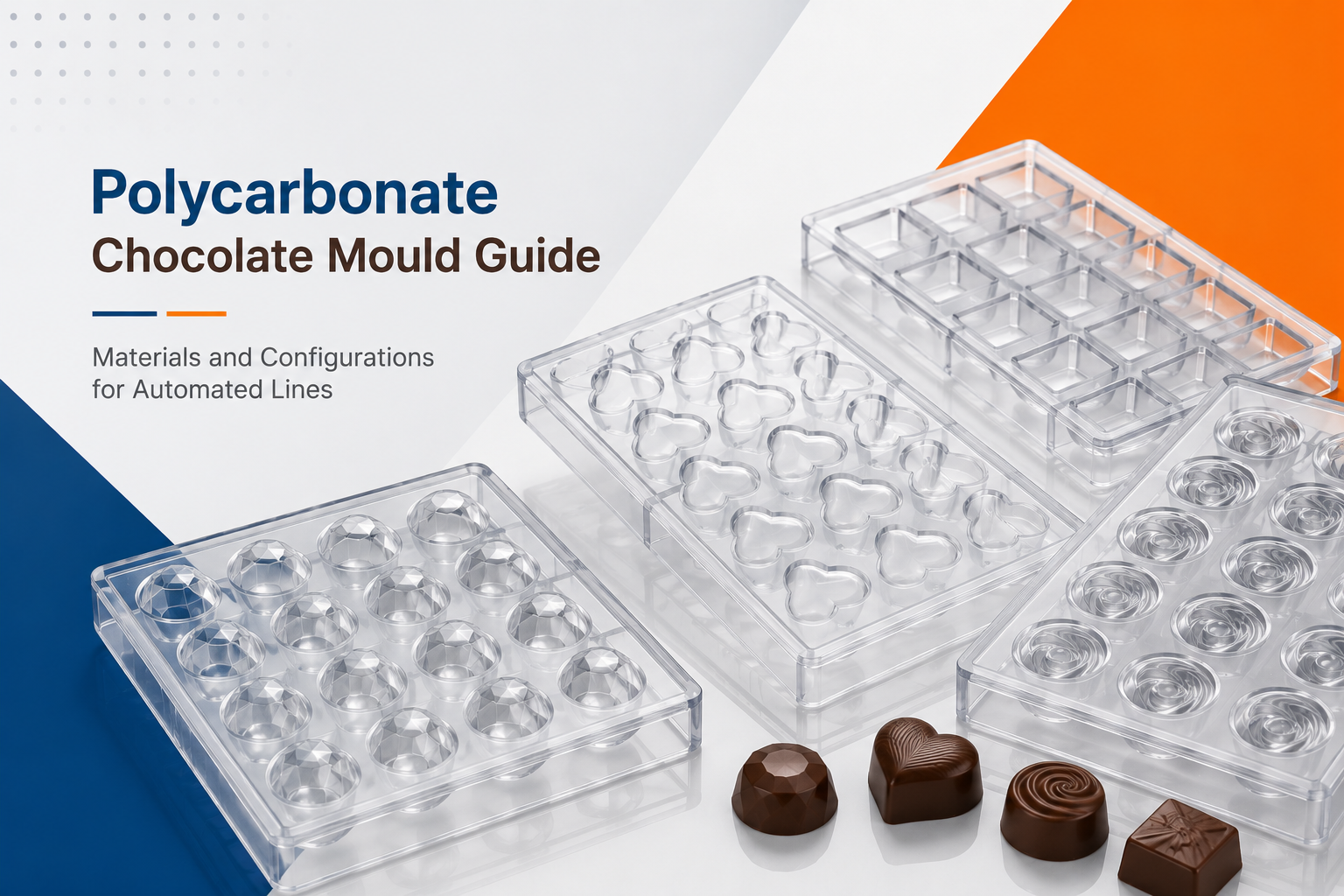
A polycarbonate chocolate mould is a rigid, food-grade plastic mould used to shape tempered chocolate into bars, pralines, figures, and other confectionery forms during commercial production. Unlike flexible silicone moulds, polycarbonate holds its shape under vibration and heat cycling, which makes it better suited to high-speed, repeated production runs.
The material’s clarity also plays a functional role — it produces the glossy, snap-worthy finish associated with professionally made chocolate, largely because polycarbonate surfaces cool chocolate evenly and release it cleanly without dulling the surface.
Why Polycarbonate Outperforms Other Mould Materials on Automated Lines
Automated lines depend on repeatability. A mould that warps slightly after a few hundred cycles, or one that doesn’t release product cleanly, introduces inconsistency that’s expensive to troubleshoot once it’s already built into your process.
Polycarbonate holds dimensional stability across repeated heating and cooling cycles far better than most alternatives, which matters when a line is running continuously for hours. It’s also more resistant to scratching than lighter plastics, which helps maintain gloss quality over the mould’s working life rather than degrading after a few production runs.
That doesn’t mean polycarbonate is right for every application — silicone still has a place for intricate, hand-finished, or low-volume artisanal work where flexibility matters more than throughput.
Key Configurations to Consider for Commercial Moulds
Cavity Count and Layout
Higher cavity counts increase output per cycle but require tighter tolerance control to avoid uneven filling across the mould. Layout should match your depositor’s fill pattern rather than being chosen on cavity count alone.
Wall Thickness and Rigidity
Thicker mould walls resist warping under repeated thermal cycling, which extends usable mould life on high-frequency automated lines. Thinner walls can reduce cost but often shorten the mould’s practical lifespan in continuous production.
Custom Chocolate Molds for Branded Shapes
Many manufacturers now request custom chocolate molds for branded shapes, embossed logos, or seasonal product lines. Custom tooling adds lead time and upfront cost, but it’s often the only way to differentiate a product on shelf without changing the recipe itself.
Compatibility With Your Moulding Line
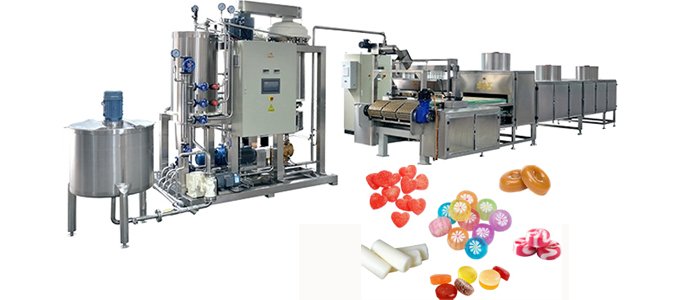
A mould is only as good as its fit with the rest of your equipment. Cavity dimensions, mould thickness, and vibration tolerance all need to match your chocolate moulding machine specifications, or you’ll see inconsistent fill levels and release issues regardless of mould quality.
What to Ask a Chocolate Mould Manufacturer Before Ordering
- What polycarbonate grade do they use? Food-grade certification and consistent resin quality affect both safety compliance and mould longevity.
- What’s their tolerance standard for cavity dimensions? Even small variances compound across high cavity-count moulds.
- Can they support custom tooling in-house? Outsourced tooling often adds significant lead time to custom orders.
- What’s the expected mould lifespan under continuous use? This should be quoted in production cycles, not just a general estimate.
- Do they provide samples before full production runs? Sampling avoids costly reorders if fit or finish isn’t right the first time.
Benefits of Polycarbonate Chocolate Moulds on Automated Lines
- Consistent glossy finish across high-volume production runs
- Strong dimensional stability under repeated heat cycling
- Longer working life compared to lighter plastic alternatives
- Clean, reliable release that reduces product waste
- Compatibility with automated depositing and vibration systems
- Support for custom branding without sacrificing durability
Polycarbonate vs Silicone vs ABS: Mould Material Comparison
| Factor | Polycarbonate | Silicone | ABS Plastic |
| Rigidity | High | Low, flexible | Moderate |
| Gloss finish quality | Excellent | Good, less consistent | Moderate |
| Best suited for | High-speed automated lines | Small-batch, intricate shapes | Low-cost, short-run production |
| Durability under heat cycling | Very high | Moderate | Moderate |
| Release consistency | Excellent | Good | Variable |
| Typical use case | Commercial bars, pralines | Artisanal, hand-finished chocolate | Budget-conscious small runs |
Factors That Affect Mould Cost and Longevity
Cost depends on cavity count, wall thickness, custom tooling requirements, and the resin grade used. A cheaper mould with thin walls or lower-grade polycarbonate may need replacing far sooner than a higher-spec option, which often erases any upfront savings once downtime and reorder costs are factored in. It’s generally worth consulting with your equipment or mould supplier to match specifications to your actual production volume rather than defaulting to the lowest quoted price.
Frequently Asked Questions
- How long does a polycarbonate chocolate mould typically last? Lifespan depends on wall thickness, resin grade, and cycle frequency, but well-made moulds used on properly calibrated lines can withstand thousands of production cycles before performance declines.
- Are custom chocolate molds worth the added cost for smaller producers? It depends on your branding goals; custom tooling adds cost and lead time, so it tends to make more sense once production volume justifies the investment.
- Can polycarbonate moulds be used with any chocolate moulding machine? Not automatically — mould dimensions and thickness need to match your specific machine’s cavity handling and vibration settings for consistent results.
- What causes cloudy or dull spots on polycarbonate moulds over time? This is usually a sign of surface scratching or improper cleaning; using non-abrasive cleaning methods helps preserve gloss transfer over the mould’s lifespan.
- Is it better to buy moulds and moulding machines from the same manufacturer? Sourcing both from a manufacturer familiar with both components often reduces compatibility issues, though it’s not strictly required if specifications are matched carefully.
Conclusion
Choosing the right polycarbonate chocolate mould isn’t just about material quality on its own — it’s about how well that mould integrates with your broader production line, from cavity layout to your moulding equipment’s specifications. Getting this right upfront saves far more in reduced waste and downtime than it costs in initial sourcing time.
If you’re evaluating mould options for a commercial or automated line, take a look at our polycarbonate chocolate mould range and chocolate moulding machine specifications, or get in touch to discuss a configuration suited to your production volume.